Engineering services

Otis Elevator Services That Clarify Modernization & Maintenance Decisions

Authoritative support for architects, GCs, and facility directors who need vertical transportation scopes that survive AHJ review—not just look complete on a bid form.

Schedule a Service Evaluation
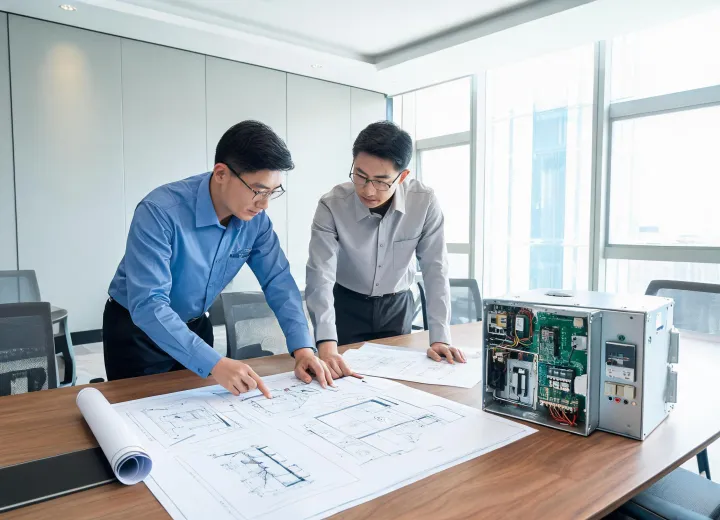
Engineers reviewing elevator modernization drawings

How We Guide Your Vertical Transportation Program

Each service shortens the path from question to submittal without burying teams in marketing adjectives.

01

Modernization Assessment

We walk through controller logic, door operators, and cab finishes against ASME A17.1 and EN 81 notes so your capital plan sequences occupied-building work without speculative downtime claims.

02

Predictive Maintenance Planning

OtisONE diagnostics are mapped to your peak population windows so door timing drift and drive anomalies are addressed before morning lobby queues form.

03

Code & Fire Interface Review

Hoistway fire resistance rating, lobby smoke control, and firefighter service modes are coordinated with the base-building life-safety package before shop drawings freeze.

04

Machine-Room HVAC Coordination

Heat rejection loads and thermal conductivity of adjacent insulation are reviewed so controllers remain inside published ambient envelopes during summer peaks.

Supply chain delays and inconsistent component quality remain top buyer pain points in building systems. Our desk flags lead-time windows for door operators and drive modules early, and keeps lot notes with your project so rework risk drops before turnover. When LEED documentation or recycled content percentage is required for cab interiors, we route the right product data sheets with the sample package instead of chasing them after bid day. Prefabricated cab shells can compress installation calendars compared with traditional stick-built interior fit-outs, yet field-measured hoistways still need traditional survey discipline—Otis supports both paths with clear tolerance tables.

Service FAQ for Busy Project Teams

When should we involve Otis on a modernization?

Best during early capital budgeting, once rise, duty load, and occupied-building constraints are roughly known. Early involvement prevents last-minute freight elevator conflicts and unfinished temporary hoist strategies.

Can you help compare predictive maintenance versus time-based contracts?

Yes. We map OtisONE alert classes to your risk tolerance so you are not over-servicing quiet residential banks or under-covering hospital service elevators that move stretchers daily.

Do you support renovations as well as new construction?

Yes. Renovation teams often need controller swaps that install overnight with temporary service strategies. We recommend sequences that respect occupancy constraints and VOC emissions targets for cab finish work in occupied towers.

What information speeds up a technical consultation?

Building type, floor count, peak 5-minute handling target, existing controller family if known, and whether escalators or machine-room HVAC are also in scope. Include any ASME A17.1 or local amendment notes from the owner.

Before Guidance vs. After an Otis Service Review

Before

  • Generic elevator allowance without traffic study
  • Fire service modes deferred until shop drawings
  • Machine-room cooling treated as an afterthought
  • Maintenance contract priced only on visit count

After

  • Handling capacity mapped to population and bank strategy
  • Firefighter service and lobby interfaces locked with life safety
  • HVAC System & Accessories loads sized for heat rejection
  • Service scope tied to OtisONE alerts and uptime targets

Teams that complete this review typically reduce lobby wait-time complaints and emergency shutdowns related to overheated controllers. Moisture vapor transmission still belongs to the building envelope contractor, but keeping machine rooms dry and within temperature bands protects electronic boards—especially in coastal climate zones where humid air and cooling coils meet. When owners debate domestic manufacturing versus imported components for cab finishes, we document lead times and ASME A17.1 compliance evidence for both paths so procurement is not forced into a single ideology.

Ready for a Precise Spec Conversation?

Tell us about your rise, duty load, or escalator throughput. We will respond with modernization direction and documentation suited to your building type.